
2026年7月22日 · Kenji Nakamura
The Ultimate Guide to Japanese Programming Education Without the Stress

Learning to code can feel overwhelming at first, especially when you're trying to balance it with a busy schedule or when the materials are not in your first language. Many people in Japan and abroad are turning to structured courses that teach programming entirely in Japanese, making the process feel much more approachable and less intimidating.
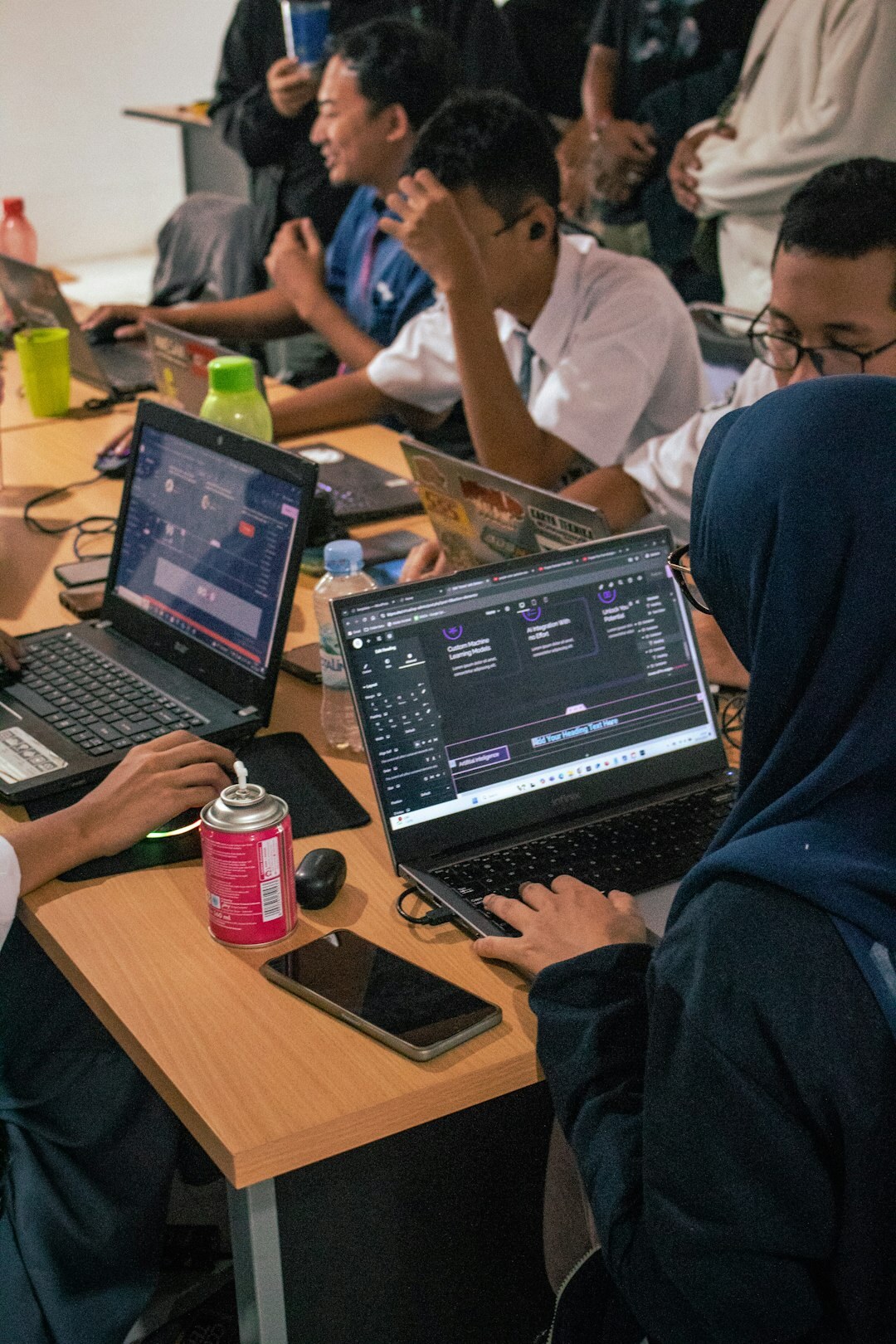
Why Japanese-Language Programming Courses Work Well
One of the biggest advantages is that you get to think and problem-solve in the language you are most comfortable with. Technical terms are explained clearly without the extra layer of translation stress. This allows beginners to focus on logic and concepts instead of struggling with vocabulary.
Another benefit comes from local examples and projects. Courses often use scenarios relevant to Japanese businesses, such as building simple apps for daily life or automating tasks common in offices here. Students report feeling more motivated because the work connects directly to their own world.
Building a Routine That Feels Natural
Start small by setting aside just twenty minutes a day. Consistency beats long marathon sessions. Many successful learners combine short video lessons with quick coding exercises right after. Over time this habit becomes automatic and almost relaxing.
Include breaks and review periods. After finishing a module, spend a day revisiting old code instead of rushing forward. This reinforces memory without adding pressure.

Choosing the Right Course for You
Look for programs that offer live support in Japanese and recorded sessions you can watch again. Interactive platforms with instant feedback help catch mistakes early so they do not pile up and cause frustration.
- Check the curriculum covers fundamentals like variables, loops, and functions before moving to frameworks.
- See if projects are included that you can add to a portfolio.
- Read reviews from past students who started with zero experience.
Some courses also include community forums where you can ask questions in Japanese. This social element makes learning feel less lonely and more like a shared journey.
Overcoming Common Hurdles
Many beginners worry about making errors. Remember that every programmer starts with broken code. The key is treating mistakes as part of the process rather than failures. Good courses encourage experimentation and provide hints instead of giving away answers immediately.
Progress feels steady when you focus on understanding rather than speed.
Another frequent issue is losing motivation midway. Setting small personal goals, like completing one feature per week, helps maintain momentum. Celebrate those wins with something simple, such as a favorite snack or a short walk outside.

Putting It All Together for Long-Term Success
Once you finish a beginner course, consider moving to intermediate topics like web development or data handling. Keep using Japanese resources so the language stays natural. Over months you will notice that coding starts to feel like a useful skill rather than a chore.
Stay patient with yourself. Everyone learns at their own pace, and the goal is enjoyment alongside skill building. With the right Japanese programming education, the stress fades away and genuine interest takes its place.